August Legislative and Community Updates
|
|
|
Dear Neighbor, The past few weeks have brought some important developments in Lansing, including the signing of legislation I’ve worked on, the passage of a new state budget, and new updates on public health in our community. I wanted to take a moment to share what’s happening and what it means for the people we represent. As always, thank you for staying engaged and keeping me informed about what matters to you. In service, |
|
| Julie M. Rogers State Representative House District 41 |
|
|
In this issue:
|
|
|
|
Legislative & Community Updates |
|
☕ Next Coffee Hour – Aug. 21 |
|
.jpg)
|
I’m hosting my next legislative coffee hour on Friday, Aug. 21, from 9-10 a.m. at Davis St. Park, located at 901 Davis St., in Kalamazoo. These coffee hours are a great opportunity to connect informally, ask questions and share what’s on your mind. I look forward to seeing you there! While registration is not required, if you have a specific question in mind, you can email it to us in advance at [email protected]. |
|
⚕️Making It Easier for Occupational Therapists to Serve Michigan Families |
|
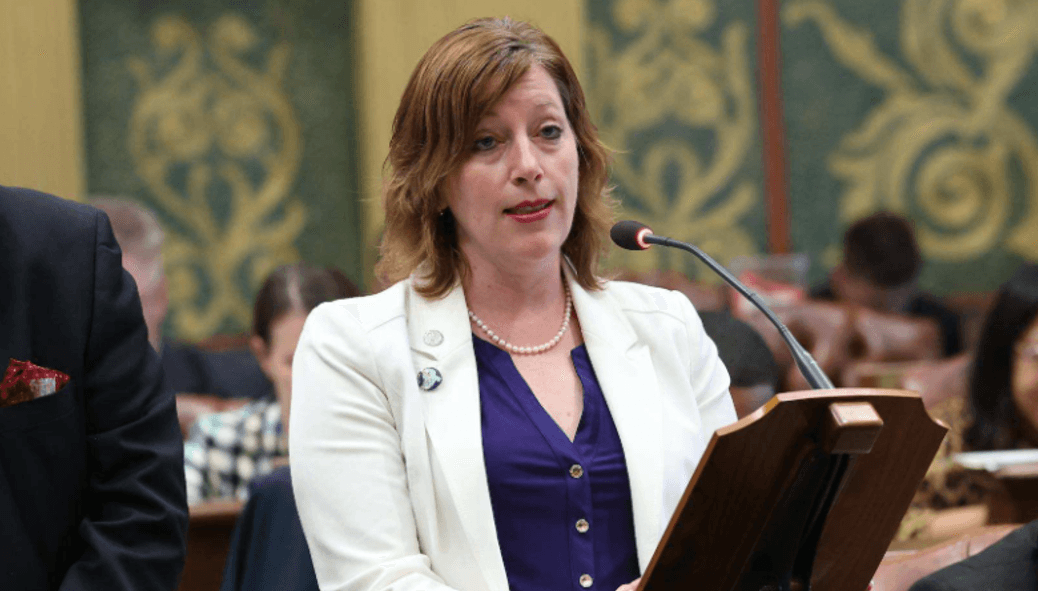
Photo: Rep. Rogers speaks on the House floor in support of legislation to bring the Occupational Therapy Licensure Compact to Michigan. May 2025. |
|
|
|
I’m proud to share that my bipartisan Occupational Therapy Licensure Compact bills, House Bills 4103 (Rogers) and 4104 (Wozniak), have officially been signed into law by the governor! These new laws allow Michigan to join the Occupational Therapy Licensure Compact, making it easier for qualified occupational therapists and occupational therapy assistants to practice across participating states without having to go through a separate licensing process in each state. This will help reduce unnecessary barriers for healthcare professionals while making it easier for patients to access occupational therapy services, particularly in communities facing provider shortages. As a practicing physical therapist, I understand how important occupational and physical therapy are in helping people recover from injuries, adapt to disabilities, regain independence and return to the everyday activities that matter to them. Michigan continues to face healthcare workforce challenges, and removing unnecessary administrative barriers is one way we can help qualified providers spend more time caring for patients. |
|
|
|
🏛️ A State Budget That Invests in Students, Families and Healthcare |
|
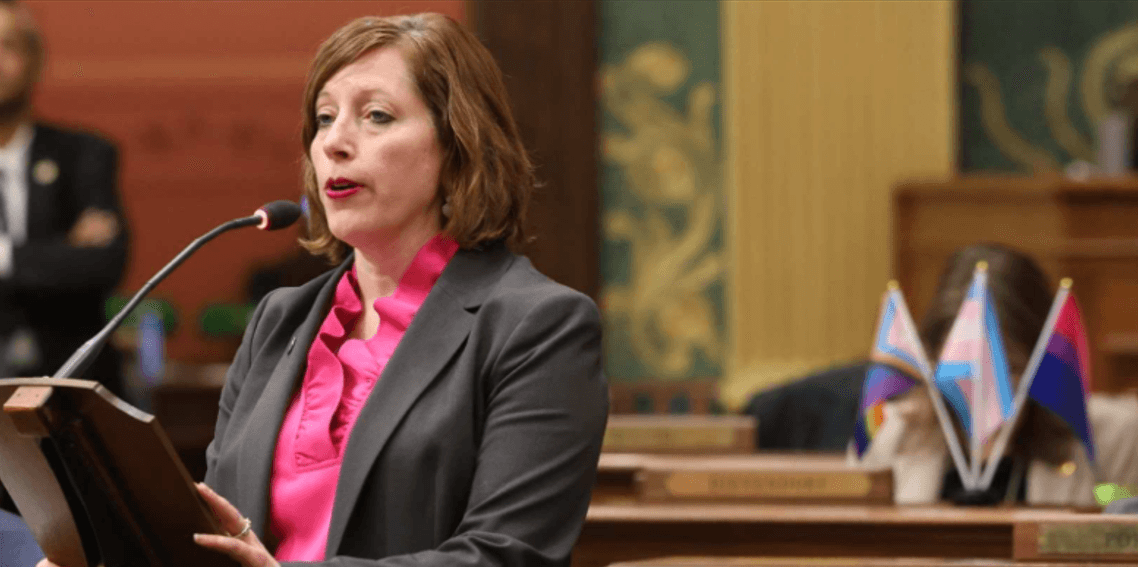
Photo: Rep. Rogers delivers remarks on the proposed FY 2026-27 budget. May 2026. |
|
|
|
After months of negotiations, Michigan’s bipartisan Fiscal Year 2026-27 state budget has been signed into law. No budget is perfect, and this one required difficult decisions, but I was glad to support a final agreement that protects key services and makes important investments in students, families, seniors, veterans and healthcare. The final budget totals $75.2 billion, including a $19.8 billion School Aid budget. For our public schools, the budget increases the foundation allowance by $250 per student, bringing total per-pupil funding to $10,300. It also continues free breakfast and lunch for approximately 1.4 million public school students, helping make sure children can focus on learning instead of worrying about whether they will have enough to eat during the school day. Continuing universal school meals can also save families around $1,000 per child over the course of a school year. We also increased funding for academically at-risk students by 20%, providing additional resources to districts serving students who face greater barriers to academic success. These dollars can support academic intervention, attendance efforts, mental health services and other programs based on local needs. I was also glad to see Senate Bill 903, sponsored by state Sen. Darrin Camilleri, signed into law. The legislation moves key requirements for at-risk and bilingual education funding into state statute instead of leaving those policies solely in annual budget language, giving schools greater stability from year to year. Protecting access to healthcare was also one of my biggest priorities. The final budget protects core Medicaid services while preparing Michigan for new federal Medicaid work requirements. It includes $20 million for community health navigators who can help people understand the new requirements, document their compliance and maintain their coverage. Major eligibility changes can cause people to lose health insurance because of paperwork or confusion even when they remain eligible. These navigators will help prevent that from happening. As a member of the House Appropriations Committee and the ranking Democrat on the Medicaid and Behavioral Health and Veterans and Military Affairs subcommittees, I fought throughout this process to protect the services Michigan families rely on. There are areas where I would have liked to see us do more, but I am proud that this bipartisan agreement protects healthcare, invests in our schools and continues important support for families across our state. |
|
☢️ Taking Action to Phase Out Paraquat in Michigan |
|
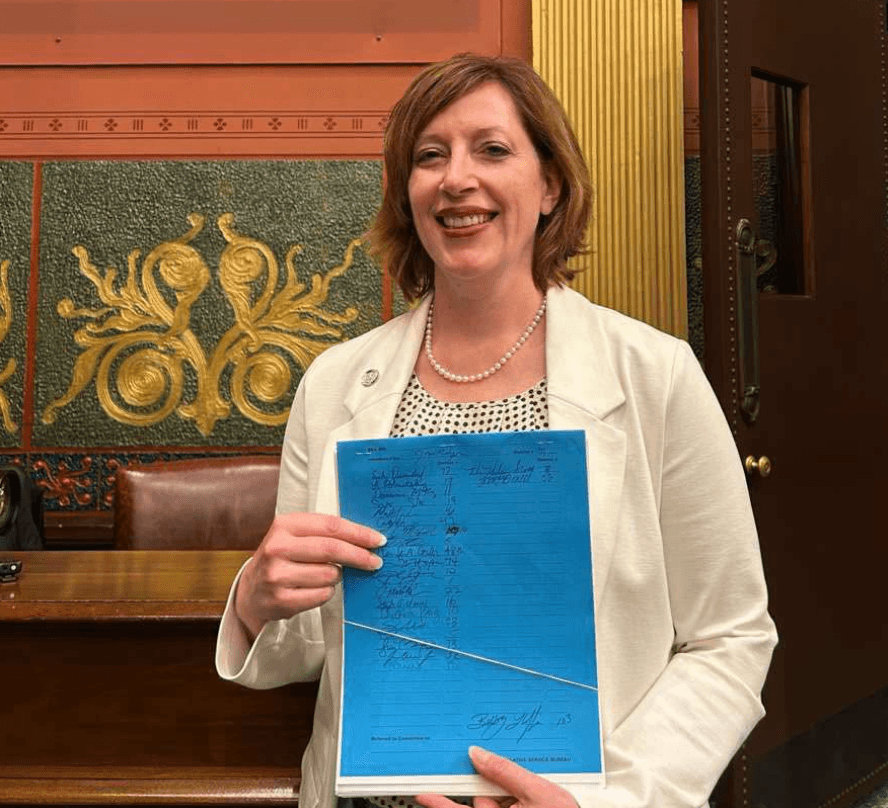
Photo: Rep. Rogers holds the blueback version of HB 6114, legislation to phase out the sale and use of paraquat, a highly toxic herbicide that poses risks to human health. Aug. 2026. |
|
|
|
Recently, I introduced HB 6114 to phase out the sale and use of paraquat dichloride as an herbicide in Michigan. Paraquat is a highly toxic, restricted-use herbicide used in agricultural settings, and a substantial body of research has examined potential connections between paraquat exposure and Parkinson’s disease. Under my bill, the sale of herbicides containing paraquat would end on Dec. 1, 2027, followed by a prohibition on their use as an herbicide beginning Dec. 1, 2028. Importantly, the legislation would also create a cost-share program to help agricultural operations transition to alternative products, processes and equipment, as well as establish a buy-back program for the safe disposal of existing paraquat products. Farmers should not be expected to absorb the cost of a major transition on their own. This legislation gives agricultural operations time and resources to move toward safer alternatives while taking potential long-term health risks seriously. House Bill 6114 has been referred to the House Natural Resources and Tourism Committee for consideration. |
|
🤝 Health and Wellness Center |
|
|
Back-to-School Vaccinations As families get ready for a new school year, now is a good time to make sure children are up to date on their routine vaccinations and to schedule any needed appointments before classes begin. Childhood vaccination rates continue to decline in Michigan. According to the latest state data, 76% of Michigan children ages 19 to 35 months have received their first dose of the measles, mumps and rubella (MMR) vaccine, a 10% decline over the past five years. Michigan has also seen measles cases and outbreaks over the past two years, underscoring the importance of keeping children protected against vaccine-preventable illnesses. This past week, families joined the Family Health Center for its annual Back to School Bash on Friday, Aug. 14, at Western Michigan University. The event featured carnival rides, food, backpacks filled with school supplies, personal care kits, prizes and activities for children. This year’s celebration also recognized the 20th anniversary of the Kalamazoo Promise, with Promise families and alumni joining in the festivities. With fall right around the corner, this is also a good time to start thinking ahead about seasonal flu vaccinations and to talk with your health care provider about which vaccines are recommended for you and your family. Cyclosporiasis Update MDHHS continues to monitor the large cyclosporiasis outbreak that began earlier this summer. Cyclosporiasis is an intestinal illness caused by a microscopic parasite and can cause prolonged watery diarrhea, stomach cramps, nausea, fatigue and loss of appetite. As of Aug. 14, MDHHS reported 13,909 cases statewide, including 354 cases in Kalamazoo County. The department has returned to its routine guidance for consuming lettuce and salad greens, although residents should continue avoiding any products subject to an active recall. This outbreak is also an important reminder of the work our public health system does behind the scenes. Local health departments, MDHHS, the Michigan Department of Agriculture and Rural Development, the CDC and federal food-safety agencies work together to identify patterns, interview patients, track possible exposures and determine whether illnesses share a common source. That work takes time, but it is essential to identifying outbreaks and protecting communities. |
|
|
|
|
|
|