|
Dear Friends and Neighbors, Happy spring! I hope everyone has been able to enjoy some warmer days and sunshine. As your state representative, I am proud to share the work we have been doing together to move Michigan forward. In this newsletter, you will find updates on key legislation, local initiatives and ways you can stay involved.
Update on Data Centers
|
|
|
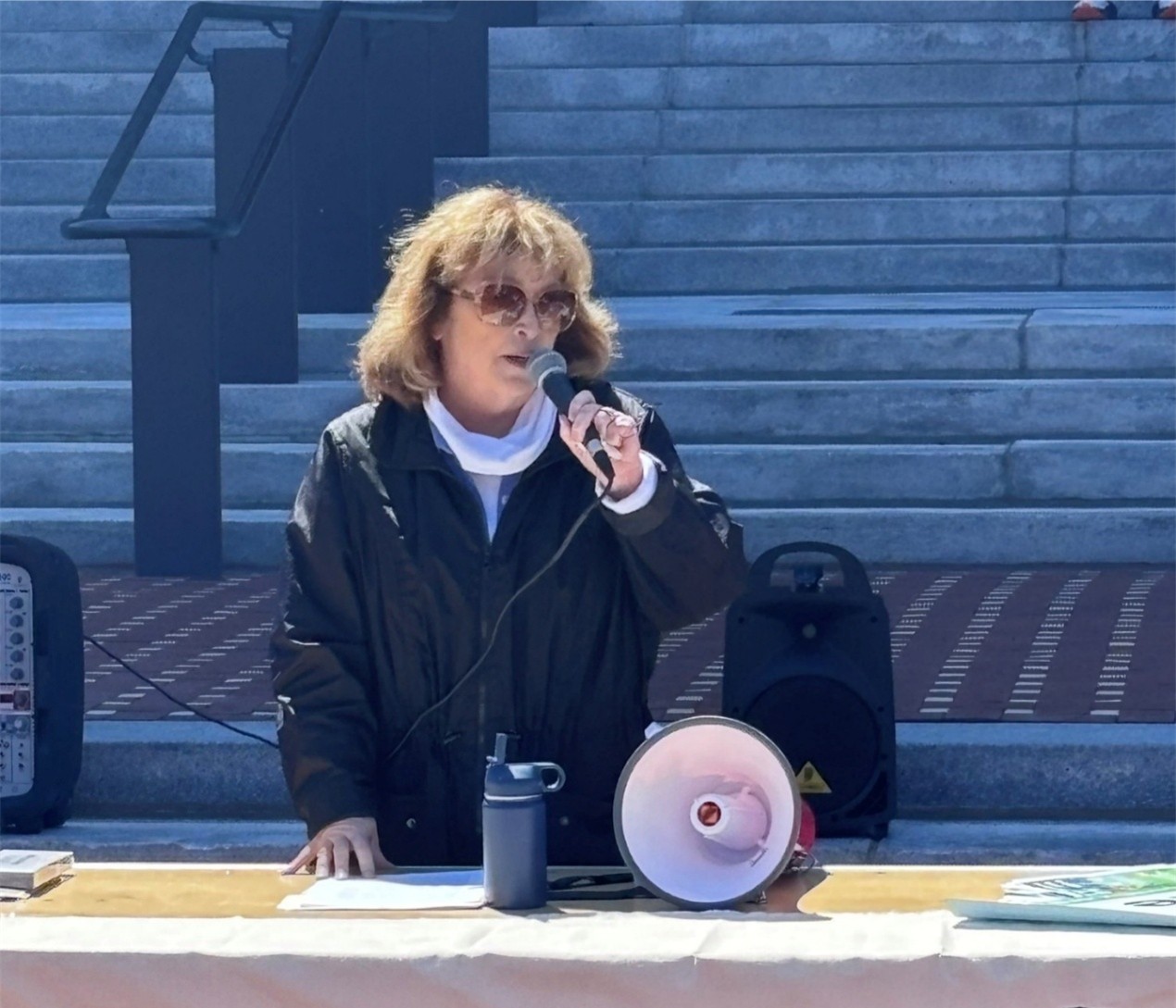
Michigan has seen several data center proposals over the last year, including several in Southeast Michigan and multiple proposals within our district. I’ve heard from countless residents about their concerns, and I have been busy working on legislation to protect Michigan’s residents from the potential negative consequences of data center development. With these projects in various stages of development, our residents deserve transparency. That’s why I’ve introduced HB 5399, which would prohibit local elected officials from signing non-disclosure agreements (NDAs) when discussing potential data center developments. Michigan’s residents deserve transparency and the opportunity to have open and honest dialogue with their elected officials, and this will help ensure that is happening. No secret deals! I’ve also introduced HR 240, which urges a temporary pause on state tax credits for data center construction, requests a comprehensive review of the fiscal, utility, environmental and local governance impacts of data center development in Michigan, and directs House committees to review these issues. In March, I submitted two bills to protect our communities from reckless data center development and the potential long-term impacts that can come from these facilities. The first bill, HB 5776, sets statewide policy and closes loopholes that allow colleges and universities to build or partner on data centers to access local property tax abatements meant for educational facilities and intended for economic development. The second bill, HB 5777, known as the Large-Scale Data Center Lifecycle Responsibility Act, would require data centers in Michigan to register with the state, disclose operational impacts such as energy and water use, and hold financial security to cover review and decommissioning costs before beginning operations. It also mandates financial safeguards, oversight and prevailing wages to ensure transparency and protect taxpayers and workers from environmental, infrastructure and financial risks. I’ve also worked with state Rep. Jimmie Wilson, Jr. to introduce legislation that would require members of the Michigan Public Service Commission (MPSC) to be elected rather than appointed. This bill package would also expand the MPSC from three members to five members. If enacted, Michigan would become the 11th state to elect its public service commissioners. Michigan’s residents should have a say in the commission that sets utility rates, sites large scale projects like data centers and regulates utility companies. By holding elections for the MPSC, we can ensure that it is directly accountable to the residents of the state who have to live with the commission’s decisions. Many communities across Michigan have expressed concerns over how these data centers might have a negative impact on energy rates, water rates and supply, community health, and air and environmental quality. We need to be looking at the long-term environmental, community and economic impacts these facilities have before permitting them.
|
|
|
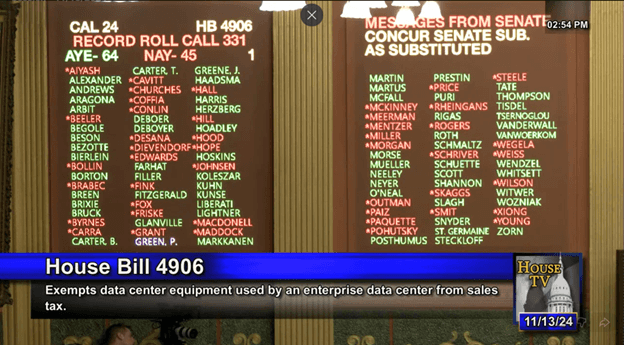
These data center proposals come after tax breaks were passed by the state legislature in 2024. I firmly voted “NO” on these tax credits because I believe our district and communities across Michigan deserve a say in major developments that impact our neighborhoods. Residents have been outspoken across Michigan with their concerns about data center construction, and I stand with them in opposing projects that lack proper accountability and transparency. I am committed to continuing this fight, working closely with our community to ensure that these developments respect local voices and are subject to rigorous oversight. Together, we can advocate for stronger regulations and responsible solutions that protect our interests and safeguard our future.
Wayne Disposal Radioactive Waste Update
On Jan. 29, the Michigan Department of Environment, Great Lakes and Energy (EGLE) issued a permit for expansion to the Wayne Disposal hazardous waste landfill in Van Buren Township. As many of you know, I have been standing alongside residents to push back against the proposed expansion of this landfill, as well as fighting to keep radioactive waste from being dumped here in our community. I am extremely disappointed in EGLE’s decision to disregard the concerns of residents who have made it abundantly clear that they are not in favor of the expansion. This decision affects the health and safety of 350,000 people within a 10-mile radius of the landfill. The nonprofit organization Michigan Against Atomic Waste has filed an administrative appeal challenging EGLE’s expansion decision, and I will continue to share updates about this appeal. Last August, Judge Kevin Cox of the Third Judicial Circuit Court of Michigan granted a preliminary injunction against Wayne Disposal and Republic Services Inc., blocking them from accepting dangerous Manhattan Project-era waste. At this time, Judge Cox’s decision is being appealed by Wayne Disposal and Republic Services, and a final ruling has not been issued. I will continue to push legislation in Lansing that would responsibly regulate radioactive waste in Michigan and fight against future corporate threats to public health. I have introduced HB 4393 to curb the flow of hazardous waste in our community which, if enacted, would create a comprehensive plan to modernize Michigan’s hazardous waste management system. I also introduced HB 5788, which requires EGLE to meaningfully review and respond to public comments before approving permits for projects that may impact public health, safety or the environment. This ensures that community concerns are part of the official record and that permitting decisions are made based on both technical evidence and public input. Residents deserve a voice that influences decisions impacting their air, water and quality of life instead of being a bureaucratic checkbox.
District Events Over the Last Few Months
|
|

|
I celebrated one of my favorite annual traditions, “March is Reading Month,” by reading The Wild Robot to the 4th grade class at Symons Elementary School in Milan. Getting to see these students’ passion for reading is such a wonderful part of my job as your state representative. This reading was extra special as my chief of staff attended Symons Elementary and was able to join me in reading to his former teacher’s class. In March, I also had the opportunity to join a group of scouts in Belleville, where we discussed how a bill becomes a law. These young scouts asked very thoughtful questions and even did an exercise together to create their own laws. In March, my office attended the ribbon cutting ceremony for Monroe County Community College’s new Health Sciences Simulation Center. This project was funded by a grant from the State of Michigan’s ADN to BSN Completion Grant Program. Expanding options for our students and our future health care workers is always something to strive toward, and the opening of the Health Sciences Simulation Center will be an immense resource for students to get hands-on experience ahead of entering the nursing field.
|
|

|
In April, my team and I were able to tour the Forgotten Harvest food rescue facility in Wayne County. Last year, Forgotten Harvest rescued over 42 million pounds of food for distribution in our communities, and their work directly helps keep our local food pantries stocked. Fighting food insecurity is a top priority of mine, and we’re so grateful for organizations like this. Also in April, my team and I joined state Rep. Jimmie Wilson, Jr. for a tour of Ozone House in Ypsilanti. This organization serves youth who are in transition between housing, and helps with housing, job and educational placement, meals and more. Ozone House is an incredible organization that protects some of the most vulnerable members of our community.
ICE Update and “Know Your Rights” Information
My office is monitoring updates on the federal plan for a detention center facility in Romulus. While the facility in Romulus is not located in the 31st District, I understand that residents have questions and concerns, and this proposal is also of great concern to me. Unfortunately, the state does not have permitting or approval authority over the project. My office is seeking clear, verified information about the proposal and the approval process. I will remain in communication with state and local officials to ensure transparency and accountability to the best of my ability, and I will continue to share updates as more verified information becomes available. In response to these concerns, I have introduced HB 5662, which would require on-duty ICE agents in Michigan to wear activated body cameras. This bill is a step toward protecting civil rights, ensuring accountability and protecting public safety in our communities. Resources: ● Immigrant Legal Resource Center: Know Your Rights Flier ● Attorney General Immigration Action Reporting Form Other resources: Contact information for your U.S. representative and senators:
|
|
Sincerely, |
|
|
State Representative Reggie Miller Michigan’s 31st District Office Phone: (517) 373-0159 Email: [email protected] |