May Legislative and Community Updates📰 District 41 E-Newsletter | May 2026 | Rep. Julie Rogers |
|
|
|
Dear Neighbor, This week’s e-news shares updates on ongoing state budget negotiations and my concerns about impacts on healthcare, education, veterans and local services. It also shares an update on my bipartisan fall prevention legislation and on a bill to add judgeships in Kalamazoo County to improve access to justice. Finally, it covers the Senate passage of a Revenue Sharing Trust Fund to support local governments, plus invitations to join my upcoming coffee hour and the Burdick Street Block Party. In service, |
|
| Julie M. Rogers State Representative House District 41 |
|
|
In this issue:
|
|
|
|
Legislative & Community Updates |
|
🏛️ 2026-27 Budget Negotiations: An Update, and My Concerns
|
|
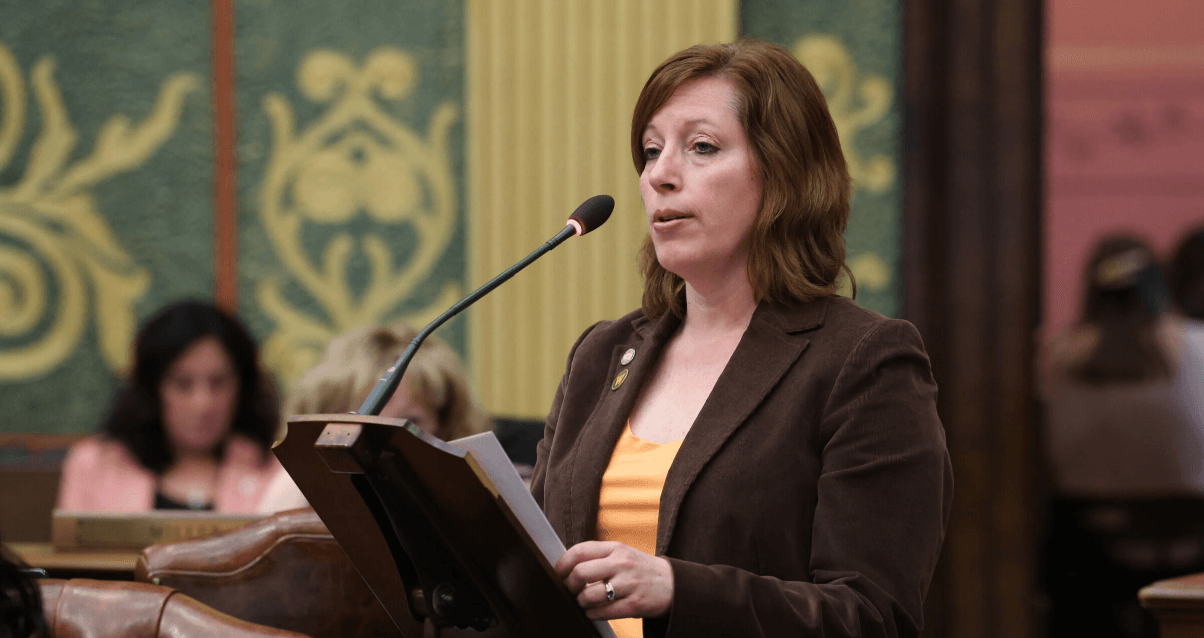
Photo: Rep. Rogers speaks against the proposed $33 million cuts to the Michigan Department of Military and Veterans Affairs on the House Floor (April 22, 2026). |
|
Overall. Both the state House and Senate have now passed their versions of the state budget, and the next phase is negotiating a final plan between the House, the Senate and the governor’s office. This is happening in a tight financial year. The Consensus Revenue Estimating Conference forecast has been downgraded, and state budget writers are working with significantly less ongoing revenue than previously expected over the next two years. At the same time, Michigan is facing growing pressure from federal changes, including the One Big Beautiful Bill Act (OBBBA), which experts have warned could increase state costs for major safety net programs like Medicaid and SNAP. In the House, I had concerns about what the proposal could mean for Kalamazoo families and communities across Michigan. The Republican House budget plan provides nearly $5 billion less than the current state budget and includes significant reductions in several areas including healthcare, education, veterans’ services and local community investments. Medicaid. One of my biggest concerns is Medicaid funding. The Republican House budget projects roughly $300 million in Medicaid “savings” tied to new federal work requirements and eligibility rules set to take effect in 2027. In practice, I believe those savings would come from fewer people qualifying for and receiving Medicaid coverage. At the same time, Michigan is facing uncertainty and added pressure tied to federal policy changes from the OBBA. Veterans. I am also concerned about how these cuts could affect veterans and service members. The Republican House plan reduces the Department of Military and Veterans Affairs by $33 million overall, including reductions to veterans homes administration and veterans service grants. Education. On education, while the House proposal includes a foundation allowance increase, changes to the weighted formula and cuts to higher education can still create cost pressures for students and families. By contrast, the Senate budget increases per-pupil funding to $10,300 and includes broader investments in schools, with a different overall approach than the House plan. Arts and culture. Finally, I remain concerned about arts and cultural funding. The governor’s executive recommendation included additional support for arts and cultural institutions, recognizing their role in vibrant communities and local economies. The House budget proposal eliminated funding for arts and cultural programs statewide, which I do not agree with. I voted no on the House version of the budget. Looking ahead. This year’s budget debate is ultimately about what we choose to protect when revenues are tighter and costs are rising. As the ranking Democrat on the Appropriations subcommittees on Medicaid and Behavioral Health and on Veterans and Military Affairs, I will keep working for a responsible budget that protects healthcare, supports veterans, invests in students and strengthens communities. I look forward to continued negotiations toward a final budget. |
|
📝 An Update On My Fall Prevention Legislation to Protect Seniors |
|
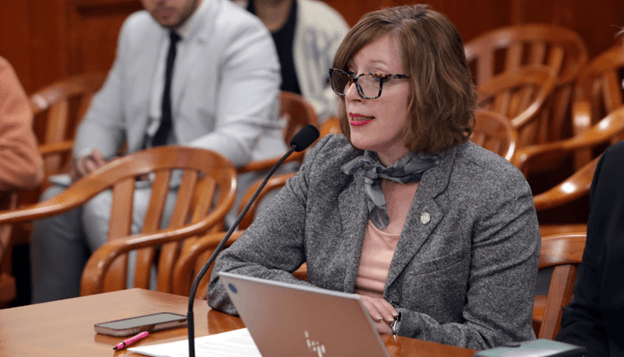
Photo: Rep. Rogers testified in committee in support of her legislation to require fall prevention training for unlicensed nursing home staff (April 28, 2026). |
|
Last week, I testified before the House Families and Veterans Committee in support of bipartisan fall prevention legislation I introduced with state Rep. Luke Meerman, House Bills 5678 and 5679. As a practicing physical therapist, I have treated patients after devastating falls, and it is especially painful knowing many of these injuries are preventable. These bills would require fall prevention training for unlicensed nursing home staff and ensure employees are compensated for the time spent completing the training. By investing in practical prevention training for the nursing home workforce, we can reduce avoidable injuries, improve quality of care and help protect seniors and families from the life-changing consequences of falls. |
|
|
|
⚖️ My Bill to Address Court Backlogs in Kalamazoo County |
|
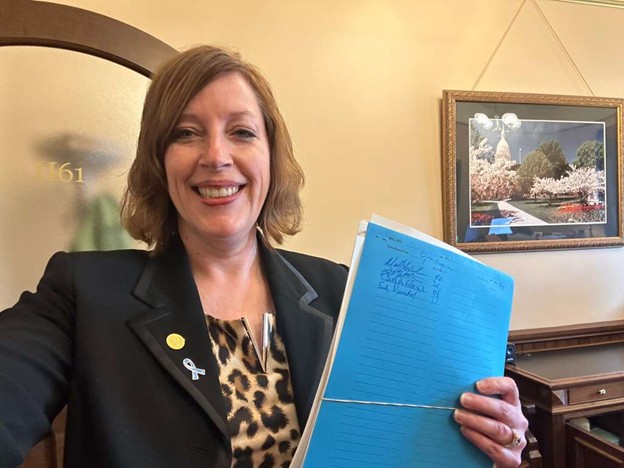
Photo: Rep. Rogers after introducing legislation to reduce court caseloads in Kalamazoo County. |
|
I recently introduced HB 5870 to add needed judgeships in Kalamazoo County based on the State Court Administrative Office’s December 2025 Judicial Resources Recommendation Report and its independent caseload analysis. This bill would add one judge to the 9th Circuit Court and one judge to the 8th District Court, helping our local courts better keep up with rising caseload demands and improving timely access to justice for families who need the system to work efficiently. Because the number of judgeships in each circuit and district court is set in state law, adding positions requires the Legislature to amend statute so the courts have the authority to create and fill these judgeships. This bill was referred to the Judiciary Committee. |
|
👥 Revenue Sharing Trust Fund Bills Pass Senate |
|
|
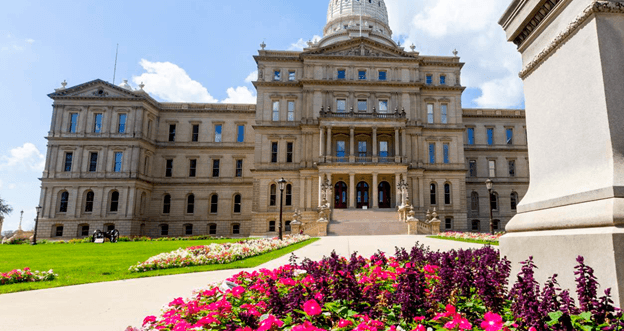
Last week, the Michigan Senate unanimously passed legislation to create a Revenue Sharing Trust Fund, which would dedicate a fixed portion of sales tax revenue to help fund essential services in counties, cities, townships and villages. Revenue sharing is how the state helps local governments pay for the basics residents rely on every day, like police and fire protection, road maintenance, public health services like clean water and other core services. Right now, revenue sharing is appropriated annually in the state budget, which can make funding unpredictable and make long-term planning more difficult for local governments. By creating a trust fund within the Department of Treasury to hold these dollars year to year, this legislation is designed to protect revenue sharing resources and provide more consistency for local governments as they build budgets and plan for the future. These bills now move to the Michigan House for further consideration. |
|
☕ Next Coffee Hour – May 15 |
|
|
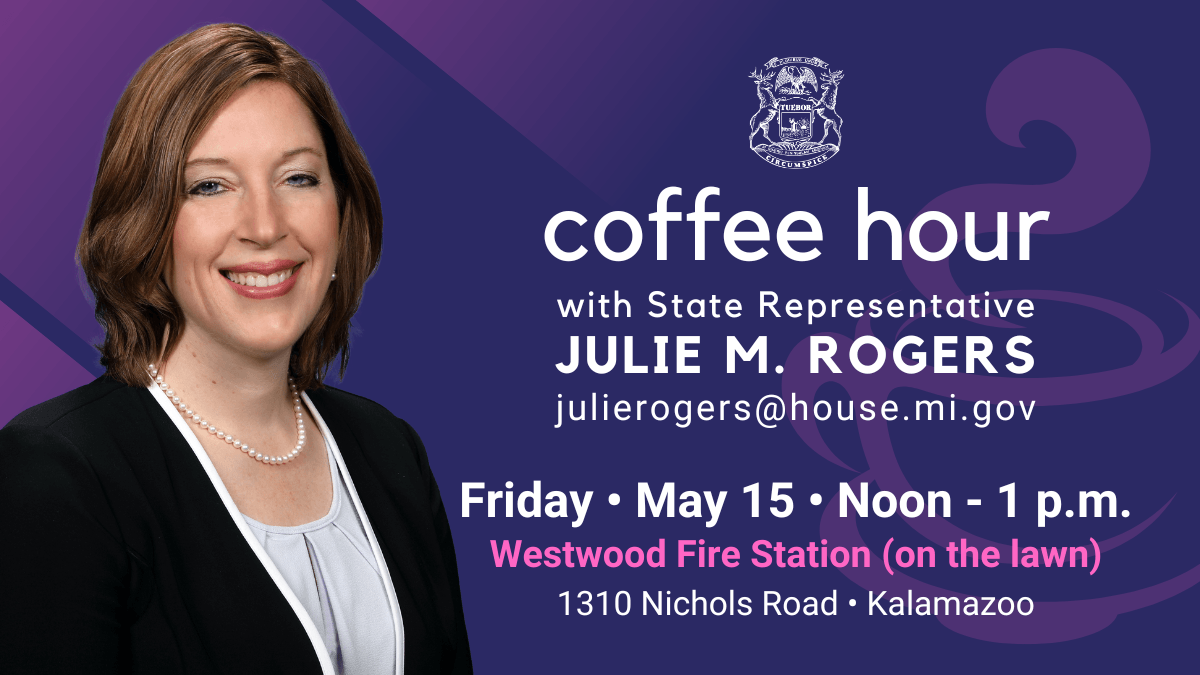
I’m hosting my next legislative coffee hour on Friday, May 15, from noon to 1 p.m. on the lawn of the Westwood Fire Station, located at 1310 Nichols Road in Kalamazoo Township. These coffee hours are a great opportunity to connect informally, ask questions and share what’s on your mind. I look forward to seeing you there! While registration is not required, if you have a specific question in mind, you can email it to us in advance at [email protected]. |
|
🎉 Annual Burdick Street Block Party – May 15 |
|
Please mark your calendar for our annual North Burdick Street Block Party which will take place from 4 to 6 p.m. on Friday, May 15, at 315 N. Burdick St. We will host community organizations showcasing their resources and services, activities for children, free giveaways, live music, a food truck and more. This event is free and fun for the whole family. |
|
|
|
|