|
Dear Neighbor, As summer turns to fall, I want to share a few important updates from Lansing and our community. In this issue, you’ll find reflections on our annual 9/11 remembrance service, information about my next coffee hour and highlights of recent legislative work — including new bipartisan efforts to expand menopause coverage and reduce lead exposure. I’ve also included a budget update, news about my graduation from a national maternal health fellowship and progress on my occupational therapy compact legislation. Thank you for staying engaged and for sharing your thoughts with me. I look forward to seeing many of you at upcoming events and continuing our work together for a healthier, stronger Michigan. Warmly, |
|
|
Julie Rogers |
|
|
In this e-newsletter, you will find:
|
|
Community Events |
|
🦅 9/11 Remembrance Service |
|
|
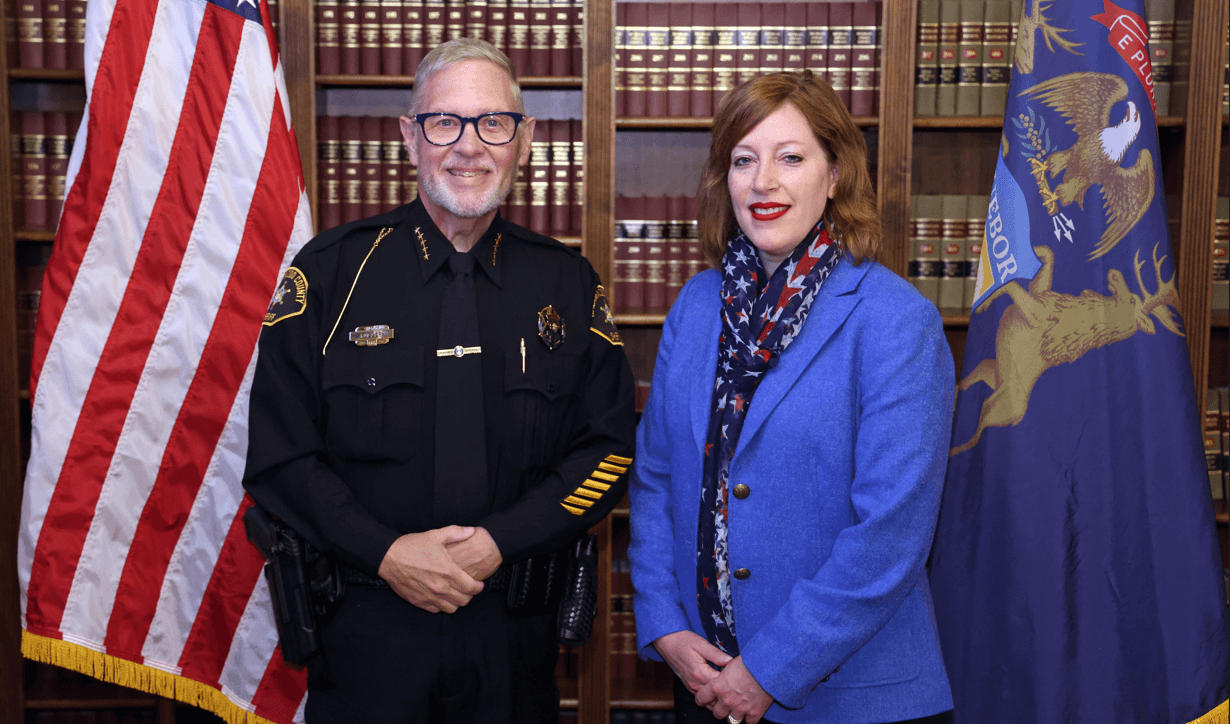
Each year, the Michigan House of Representatives holds a remembrance ceremony for the members of law enforcement and first responders who passed away on September 11, 2001. It is important to take time out to pause and honor those who paid the ultimate sacrifice. This year, my special guest was Sheriff Richard C. Fuller III. I would like to acknowledge the service and leadership he and other members of law enforcement provide to Kalamazoo County and appreciate that he was able to join us at the Capitol. |
|
☕ Next Coffee Hour – Sept. 19 |
|
|
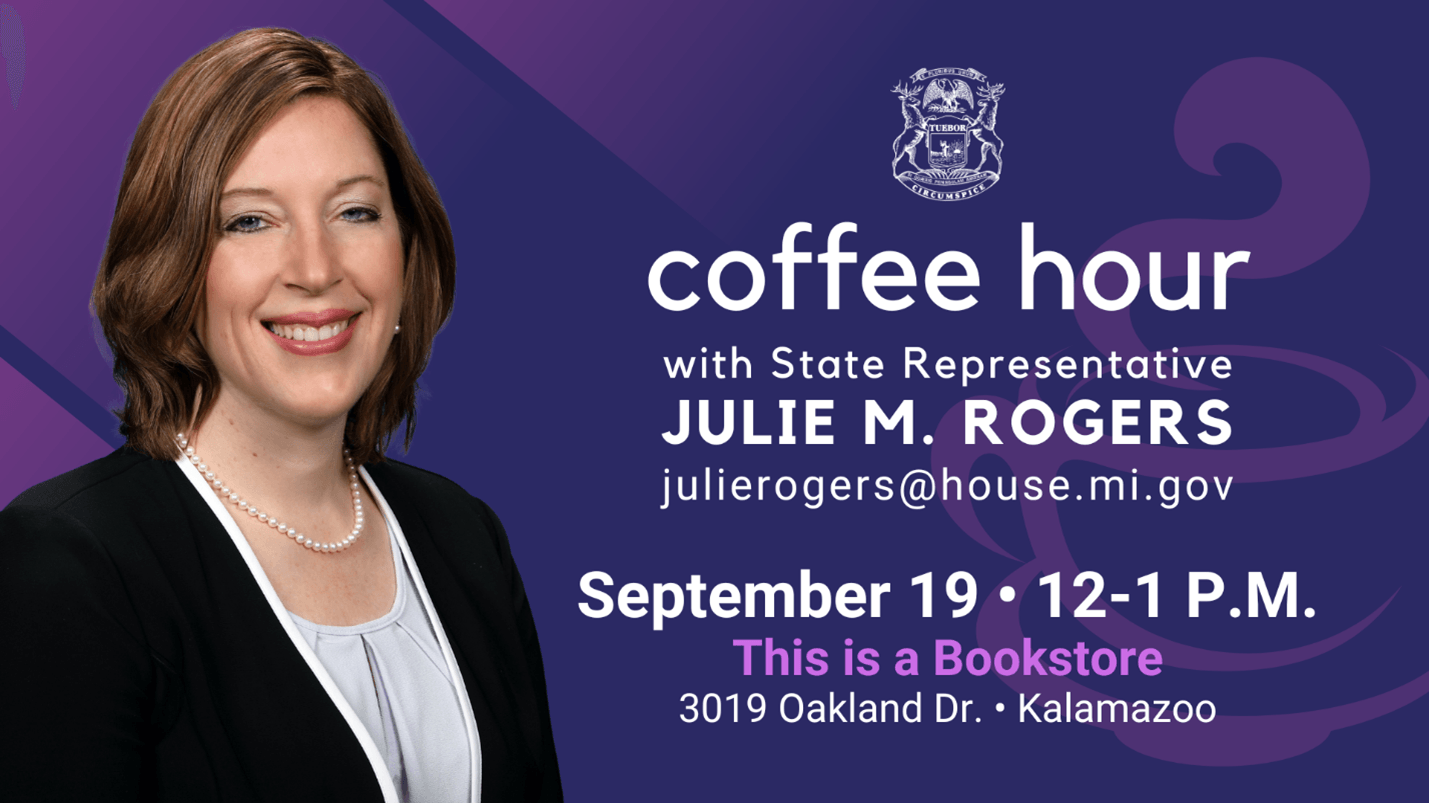
I’m hosting my next legislative coffee hour on Friday, Sept. 19, from 12-1 p.m. at This is a Bookstore (3019 Oakland Dr. in Kalamazoo). These coffee hours are great opportunities to connect informally, ask questions and share what’s on your mind. I look forward to seeing you there! While registration is not required, if you have a specific question in mind, you can email it to us in advance at [email protected]. |
|
Legislative Updates |
|
⚕️Menopause Coverage Legislation Introduced |
|
.jpg)
|
On Aug. 21, I introduced bipartisan legislation to ensure Michiganders can access medically necessary treatment for menopause and perimenopause. For too long, inconsistent training and limited resources have left patients without the support they need, even as providers work to deliver care. My bill, House Bill 4814, would require private health insurers in Michigan to cover treatments for menopause and perimenopause, including hormone replacement therapy and other FDA-approved options, while prohibiting burdensome prior authorization. Menopause is experienced by more than half of our population, and nearly 75 million across the country are in perimenopause, menopause or post-menopause — with thousands more entering this stage every day. This is a practical, bipartisan step to cut red tape and put health care decisions where they belong: between a patient and their provider. Individuals are suffering needlessly, and when symptoms like hot flashes interrupt sleep, it can have a significantly negative impact on a person’s quality of life. House Bill 4815, sponsored by state Rep. Morgan Foreman, would extend the same protections to Medicaid recipients, ensuring that lower-income patients have equal access to appropriate care. Menopause-related challenges also carry a significant economic impact. A Mayo Clinic study estimates that menopausal symptoms cost U.S. employers $1.8 billion annually in lost productivity, with related health care costs exceeding $26.6 billion. Similar legislation recently passed in Louisiana with broad bipartisan support (House Bill 392 / Act 784 of 2024), signaling growing national momentum on this issue. |
|
☣️ Lead Package Legislation Reintroduced |
|
.jpg)
|
This past week, we introduced a bipartisan package to reduce lead exposure to Michiganders. The four-bill package (House Bills 4864–67) aligns Michigan’s definition of elevated blood lead level with that of the Centers for Disease Control and Prevention (CDC); requires toxic-metals testing for baby food sold in the state, delegates enforcement of federal renovation, repair and painting rules to Michigan’s health department; and directs automatic Early On referrals for children under age three with elevated blood lead levels. I have seen the damage and devastating effects of lead in my own patients. Lead poisoning can affect adolescents and adults, but it has the most long-lasting impacts on infants and young children as they develop. My bill, House Bill 4864, revises the Public Health Code so Michigan’s definition of “elevated blood lead level” in children matches the current CDC level, which is presently 3.5 µg/dL. It is a re-introduction from last term, when it passed the House with bipartisan support. |
|
🏛️ Update on the State Budget |
|

|
The Republican-led Michigan House has passed its omnibus budget (HB 4706), and negotiations are now underway with the Senate and the governor to reach a final agreement before the new fiscal year begins on Oct. 1. From my perspective, this omnibus budget is not a reflection of Michigan’s values or the needs of my constituents. I remain focused on a responsible plan that protects health care for mothers, infants, seniors and people who rely on behavioral health and public health services, while also supporting higher education and K–12 schools, including free breakfast and lunch for all children. I am also monitoring how federal H.R. 1 (the “One Big Beautiful Bill Act”) implementation could affect Michigan’s budget and our health care system. On the House omnibus, the non-School Aid gross reduction totals about $6.1 billion compared with the current year. Of that amount, roughly $3.8 billion, or about 62%, comes from the Medicaid and Behavioral Health area. State General Fund/General Purpose (GF/GP) support for Medicaid increases slightly by about $50.9 million, but federal funding declines and a required repayment tied to state psychiatric hospitals (Department of Health and Human Services) drive the gross reduction. For federally qualified health centers, the House bill makes routine consensus adjustments and removes a one-time $1 million grant from last year; the Senate’s proposed $2 million workforce training addition is not included in the House plan. Locally, superintendents in Kalamazoo and across the region have asked for a timely, predictable School Aid budget and have raised concerns about shifting School Aid Fund dollars away from K–12. I agree. Earlier this summer I voted no on the House School Aid plan because it eliminates essential categorical support and collapses almost everything into a single per-pupil amount, which is not equitable for districts that serve more students with higher needs. As the ranking Democrat on the Medicaid and Behavioral Health Subcommittee on Appropriations, my goal is an on-time, transparent education budget that keeps dollars in classrooms, maintains universal school meals and gives districts certainty ahead of the October payment while avoiding any risk of a government shutdown. |
|
🎓 NCSL Maternal Health Fellowship Graduation |
|
|
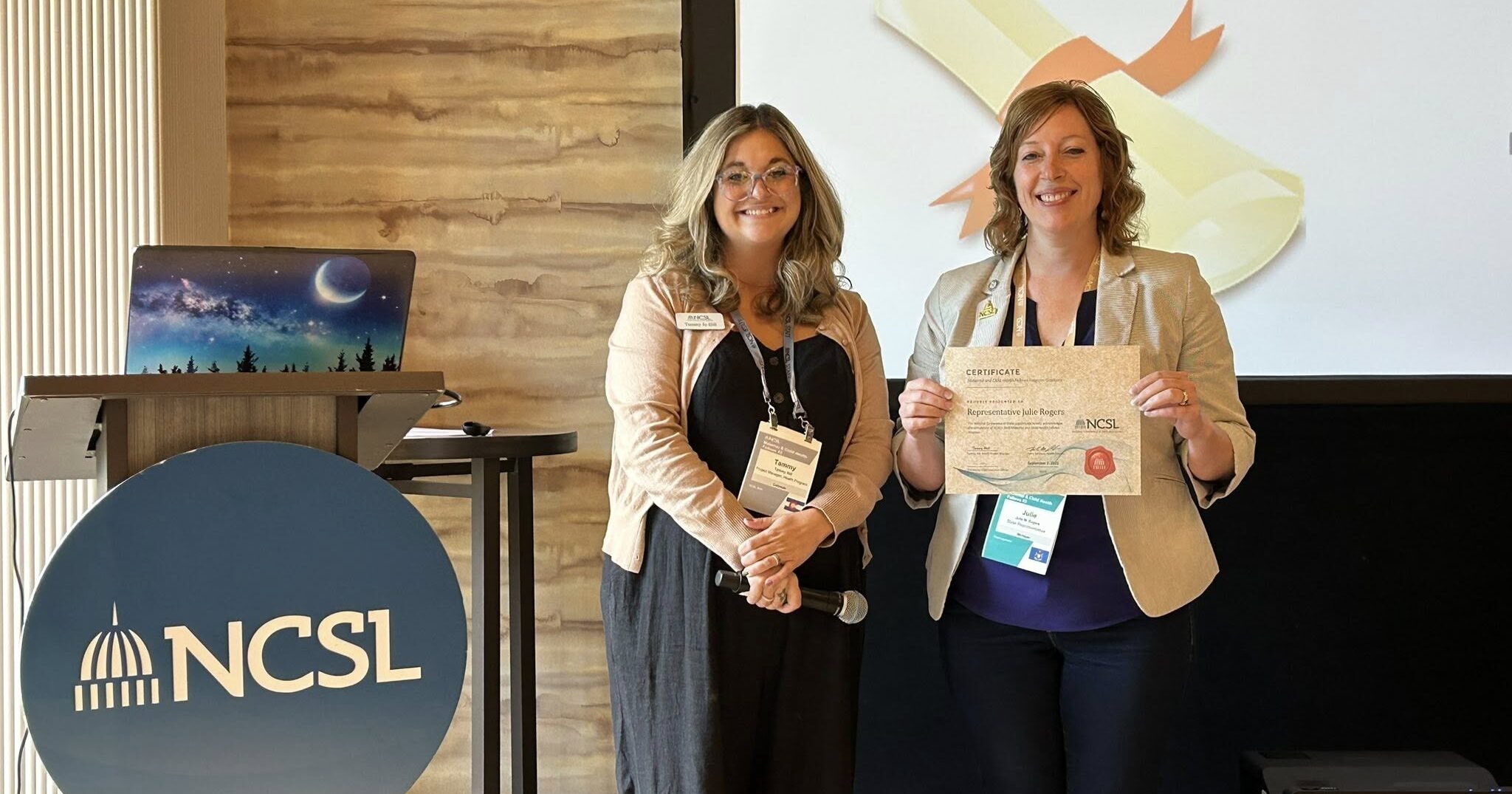
I am proud to announce that I have completed the National Conference of State Legislatures’ (NCSL) Maternal and Child Health Fellows Program which brings together industry leaders and legislators from across the nation to collaborate on policies that improve maternal and child health outcomes. I was one of only 18 legislators chosen for the fellowship and among the first ever selected from Michigan. As both a health care provider and legislator, I have seen firsthand the challenges families face. It’s an honor to complete this fellowship, and I look forward to bringing what I’ve learned back to Michigan to continue advancing policies that support healthier mothers, babies and communities. I was invited to speak at both national conferences about the legislation crafted and passed in Michigan to expand access to care for mothers and babies, like the passage of the Contraceptive Equity Package, including House Bill 5013, which requires insurers to cover a 12-month supply of prescription birth control to improve access and consistency of care. I also presented information on the 10-bill Maternal and Infant Health Care package passed last term, with nine of those bills passing with broad bipartisan support. The legislation expanded prenatal and postpartum care, strengthened quality collaboratives and addressed maternal mortality, especially among vulnerable populations. |
|
👩🏻⚕️Occupational Therapy Compact Bills Advance |
|
|
On Sept. 10, my bipartisan occupational therapy (OT) compact bill, House Bill 4103, and Rep. Wozniak’s bill, HB 4104, passed unanimously out of the Senate Committee on Health Policy. The bills now advance to the Senate floor where they await a vote of the full membership. The OT compact is an interstate professional licensure compact for occupational therapists that will address licensure portability. It allows occupational therapists and occupational therapist assistants to practice in all states that have joined the compact. I look forward to seeing this package advance soon so that we can help address workforce shortages. |
|
|