
State Representative
Matt Longjohn
40th House District
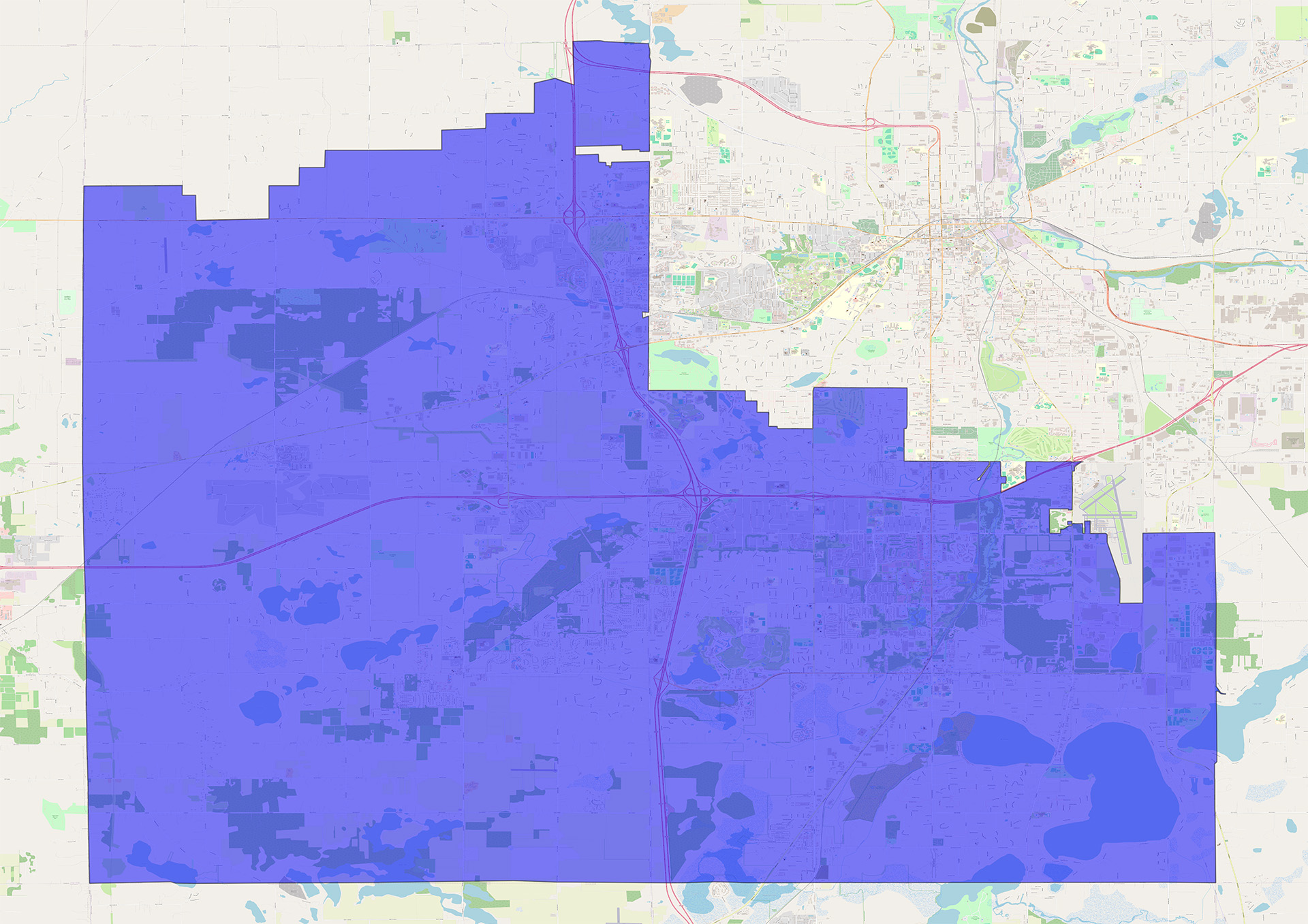
Serving 90,211 constituents in Kalamazoo, Portage, Oshtemo Township and Texas Township
[email protected]
(517) 373-8670
Office: S 889 House Office Building
Stay Connected with
Matt Longjohn
FOLLOW FOR MORE
Stay Connected with
Matt Longjohn

I have long supported the need end of corporate rule in Michigan. That's why I'm committed to repealing The Death Star, PA 105 of 2015 and PA 98 of 2011.

0 CommentsComment on Facebook
Join us in Oshtemo tomorrow between 10:30am and noon for our monthly Coffee Hour! We'll be at Oshtemo Township Hall with coffee and donuts. I hope to see you there!
0 CommentsComment on Facebook
Tomorrow's Walking Office Hours are CANCELLED. Unfortunately, tomorrow's weather is not looking great. Please keep an eye out for future events.
1 CommentsComment on Facebook
It’s hard to believe we’re already in the final months of my first term as your State Representative!
As the year winds down, my office is hosting a variety of events to keep you informed about the latest legislative developments and our policy priorities. Whether you’d like to join us for Walking Office Hours this Saturday, stop by a community coffee hour, or connect with us at a happy hour, we’ve scheduled events at different times and locations to make participation easy and accessible.
I hope you’ll join us at one of these events before the end of the year to hear reflections on my first term in office, learn about the work ahead, and share the issues that matter most to you and your family. I look forward to seeing you there!
3 CommentsComment on Facebook
Edit: Please note this event is CANCELLED due to weather.
Join us this Saturday from 10:30 a.m. to 12:00 p.m. for Walking Office Hours! We'll meet at Texas Drive Park and take a short walk while discussing legislative updates, policy priorities, and any questions, concerns, or ideas you'd like to share. See you there!
0 CommentsComment on Facebook
Join me this Friday at the Portage Zhang Senior Center for a monthly Coffee Hour. See you there!
This content isn't available right now
When this happens, it's usually because the owner only shared it with a small group of people, changed who can see it or it's been deleted.0 CommentsComment on Facebook
Today, I am proud to introduce the Primary Care Transformation Package, a bipartisan eight-bill legislative effort to strengthen the foundation of Michigan's health care system.
Our health care system is on fire. Across Michigan, families are struggling to find a primary care provider, costs continue to rise, and the workforce needed to provide care is under tremendous strain. Nearly one in three Michiganders lacks regular access to primary care, and most counties in our state face provider shortages. At the same time, less than 6% of our health care spending goes toward the primary care system that keeps people healthy and helps prevent more costly medical problems down the road.
The One Big Beautiful Bill Act will exacerbate an already fragile situation by reducing health coverage, shifting costs to states, and placing additional strain on providers and patients. At a time when too many Michiganders already struggle to access primary care, these federal changes move us in the wrong direction. Michigan cannot afford to wait, we must act now to strengthen primary care, expand access, and invest in the workforce our communities depend on.
The Primary Care Transformation Package represents a coherent strategy to address these challenges. The package will increase investment in primary care, establish the infrastructure needed to drive long-term improvement, and strengthen the workforce pipeline by supporting physicians, nurses, students, educators, and training programs across our state.
This package is not a silver bullet. There are no silver bullets in health policy. There’s a lot of work ahead, it will not solve every challenge facing our health care system overnight. But it is an important first step toward building a healthier Michigan where every resident can access high-quality, affordable care close to home.
14 CommentsComment on Facebook
Join me tonight at Centre Street Tap House for our monthly Community Office Hours. I will be there from 4:30-6pm, I hope to see you there!
This content isn't available right now
When this happens, it's usually because the owner only shared it with a small group of people, changed who can see it or it's been deleted.0 CommentsComment on Facebook
Tomorrow I will be at the Texas Township Fire Department Training Room from 10:30am to noon for my Community Coffee Hour. Stop by to enjoy donuts and coffee! I hope to see you there.
1 CommentsComment on Facebook
FOLLOW FOR MORE
Matt Longjohn IN THE NEWS
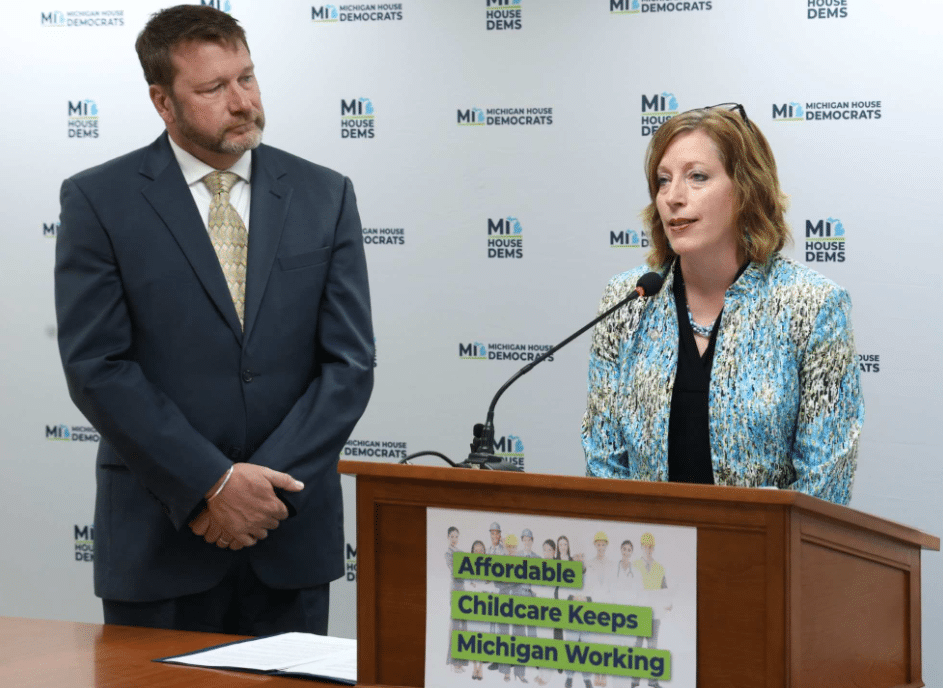
Rogers, Longjohn Selected for Prestigious National Milbank Health Policy Leadership, Fellowship Programs
Rogers, Longjohn Selected for Prestigious National Milbank Health Policy Leadership, Fellowship Programs Joint Press Release | State Reps. Julie M. [...]
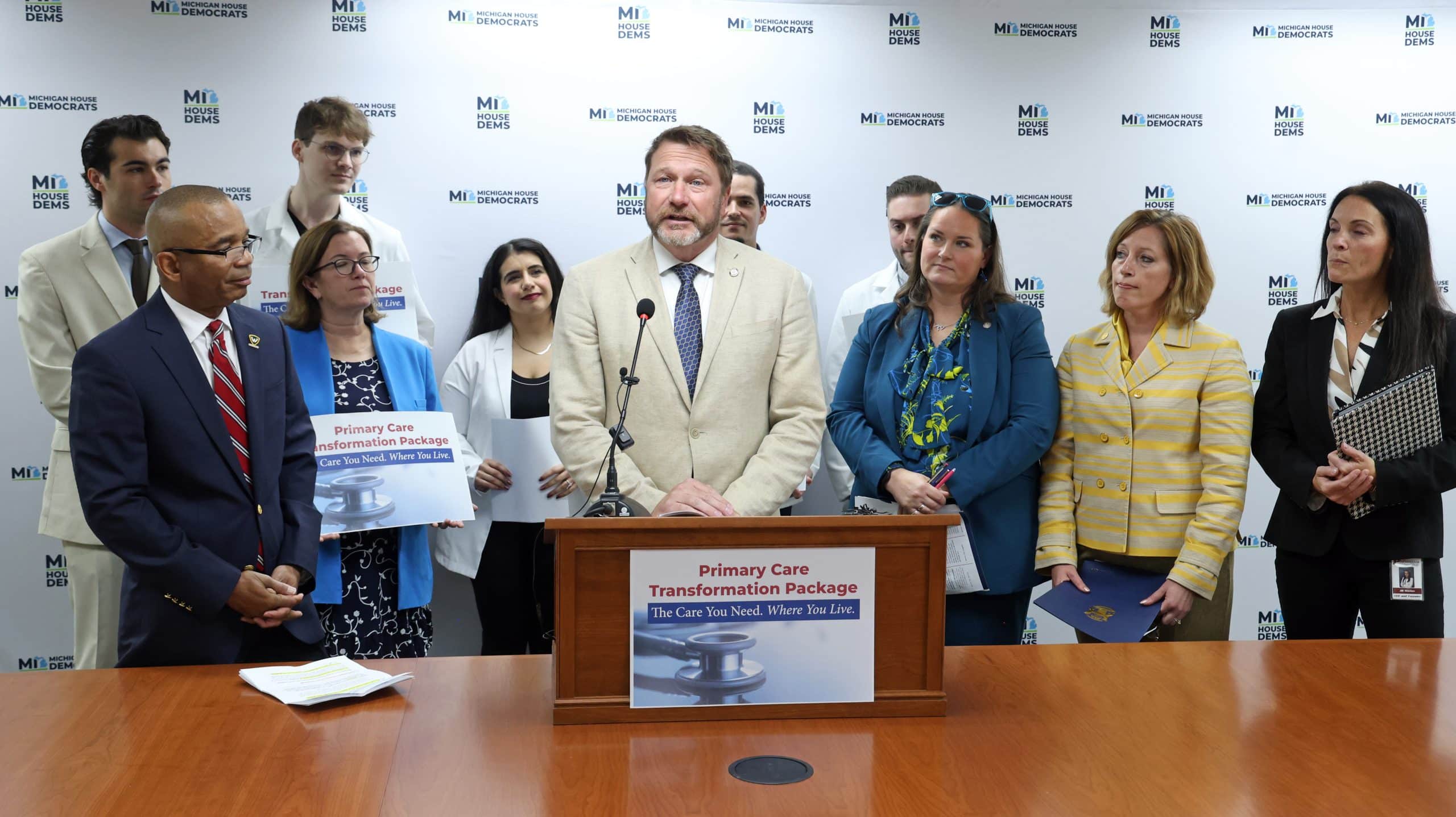
Longjohn, Fellow Legislators Unveil Bipartisan Plan to Transform Primary Care in Michigan
Longjohn, Fellow Legislators Unveil Bipartisan Plan to Transform Primary Care in Michigan Press Release | State Rep. Matt Longjohn [...]

Longjohn, Rogers Call for Improvements in Health Care, Lowering Costs Following State of the State
Longjohn, Rogers Call for Improvements in Health Care, Lowering Costs Following State of the State Photo: State Reps. Julie Rogers [...]
I have long supported the need end of corporate rule in Michigan. That's why I'm committed to repealing The Death Star, PA 105 of 2015 and PA 98 of 2011. ...
0 CommentsComment on Facebook
Join us in Oshtemo tomorrow between 10:30am and noon for our monthly Coffee Hour! We'll be at Oshtemo Township Hall with coffee and donuts. I hope to see you there! ...
0 CommentsComment on Facebook
Tomorrow's Walking Office Hours are CANCELLED. Unfortunately, tomorrow's weather is not looking great. Please keep an eye out for future events. ...
1 CommentsComment on Facebook
It’s hard to believe we’re already in the final months of my first term as your State Representative!
As the year winds down, my office is hosting a variety of events to keep you informed about the latest legislative developments and our policy priorities. Whether you’d like to join us for Walking Office Hours this Saturday, stop by a community coffee hour, or connect with us at a happy hour, we’ve scheduled events at different times and locations to make participation easy and accessible.
I hope you’ll join us at one of these events before the end of the year to hear reflections on my first term in office, learn about the work ahead, and share the issues that matter most to you and your family. I look forward to seeing you there! ...
3 CommentsComment on Facebook
Edit: Please note this event is CANCELLED due to weather.
Join us this Saturday from 10:30 a.m. to 12:00 p.m. for Walking Office Hours! We'll meet at Texas Drive Park and take a short walk while discussing legislative updates, policy priorities, and any questions, concerns, or ideas you'd like to share. See you there! ...
0 CommentsComment on Facebook
Join me this Friday at the Portage Zhang Senior Center for a monthly Coffee Hour. See you there! ...
This content isn't available right now
When this happens, it's usually because the owner only shared it with a small group of people, changed who can see it or it's been deleted.0 CommentsComment on Facebook
Today, I am proud to introduce the Primary Care Transformation Package, a bipartisan eight-bill legislative effort to strengthen the foundation of Michigan's health care system.
Our health care system is on fire. Across Michigan, families are struggling to find a primary care provider, costs continue to rise, and the workforce needed to provide care is under tremendous strain. Nearly one in three Michiganders lacks regular access to primary care, and most counties in our state face provider shortages. At the same time, less than 6% of our health care spending goes toward the primary care system that keeps people healthy and helps prevent more costly medical problems down the road.
The One Big Beautiful Bill Act will exacerbate an already fragile situation by reducing health coverage, shifting costs to states, and placing additional strain on providers and patients. At a time when too many Michiganders already struggle to access primary care, these federal changes move us in the wrong direction. Michigan cannot afford to wait, we must act now to strengthen primary care, expand access, and invest in the workforce our communities depend on.
The Primary Care Transformation Package represents a coherent strategy to address these challenges. The package will increase investment in primary care, establish the infrastructure needed to drive long-term improvement, and strengthen the workforce pipeline by supporting physicians, nurses, students, educators, and training programs across our state.
This package is not a silver bullet. There are no silver bullets in health policy. There’s a lot of work ahead, it will not solve every challenge facing our health care system overnight. But it is an important first step toward building a healthier Michigan where every resident can access high-quality, affordable care close to home. ...
14 CommentsComment on Facebook
Join me tonight at Centre Street Tap House for our monthly Community Office Hours. I will be there from 4:30-6pm, I hope to see you there! ...
This content isn't available right now
When this happens, it's usually because the owner only shared it with a small group of people, changed who can see it or it's been deleted.0 CommentsComment on Facebook
Tomorrow I will be at the Texas Township Fire Department Training Room from 10:30am to noon for my Community Coffee Hour. Stop by to enjoy donuts and coffee! I hope to see you there. ...
1 CommentsComment on Facebook